Read beside the source
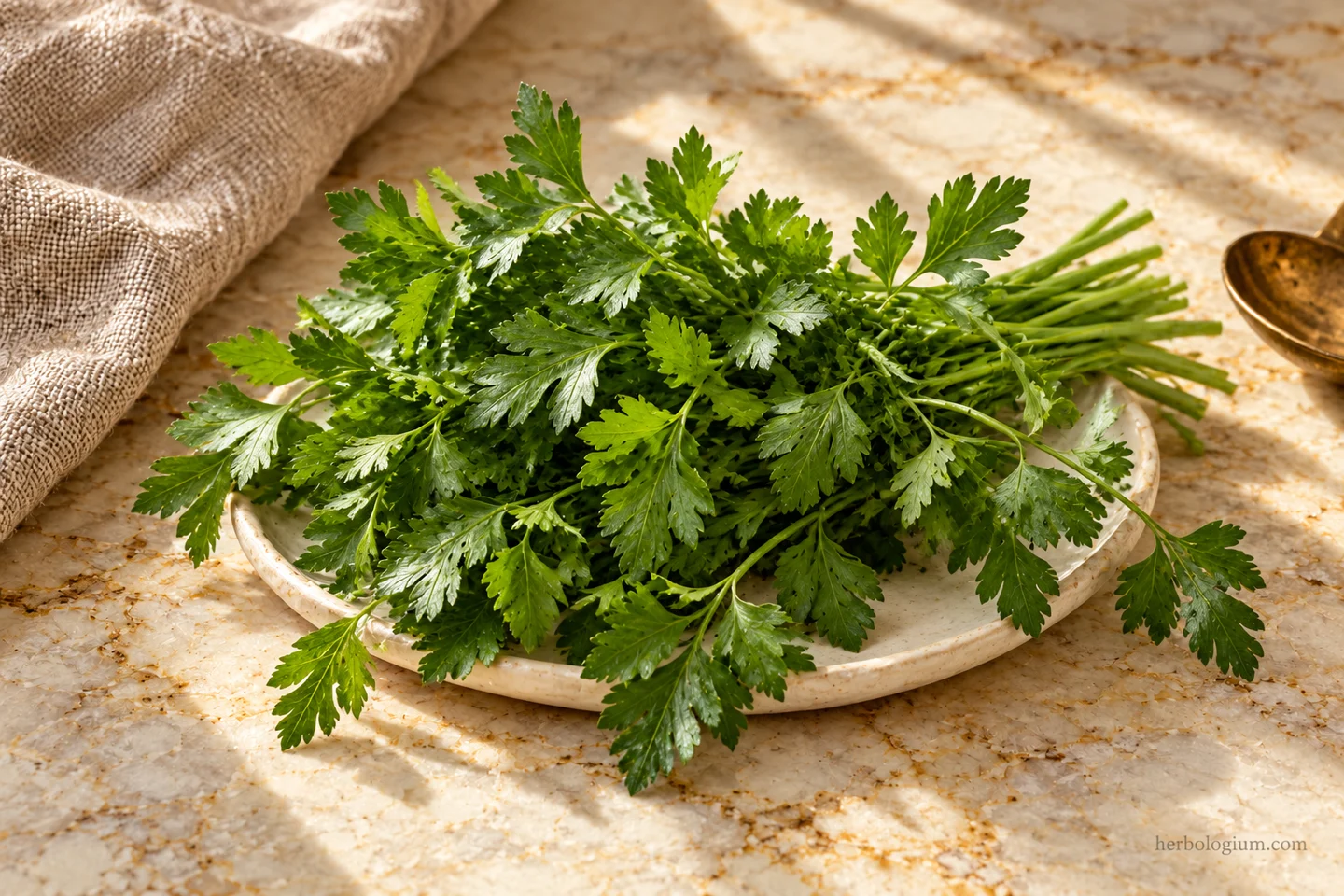
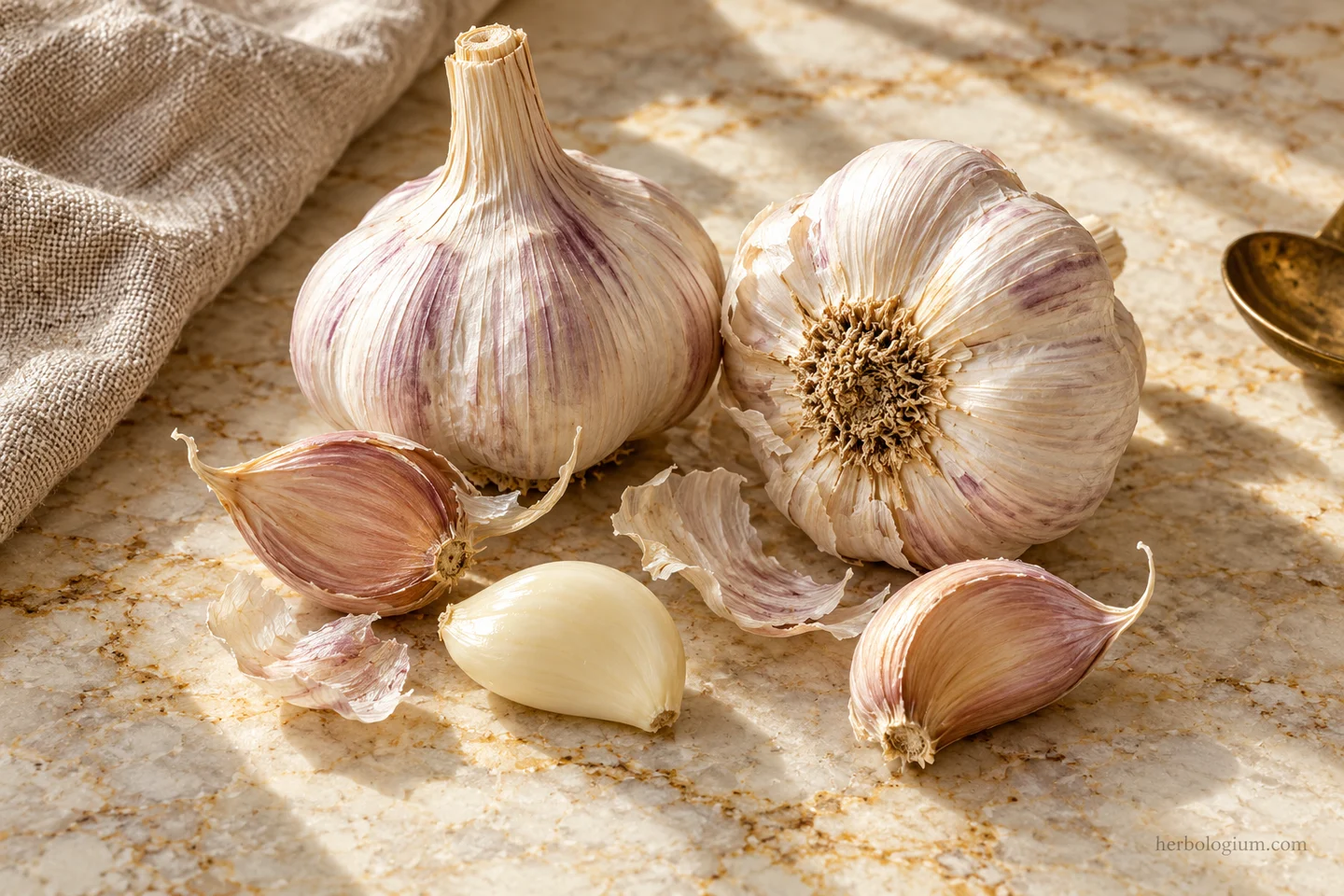
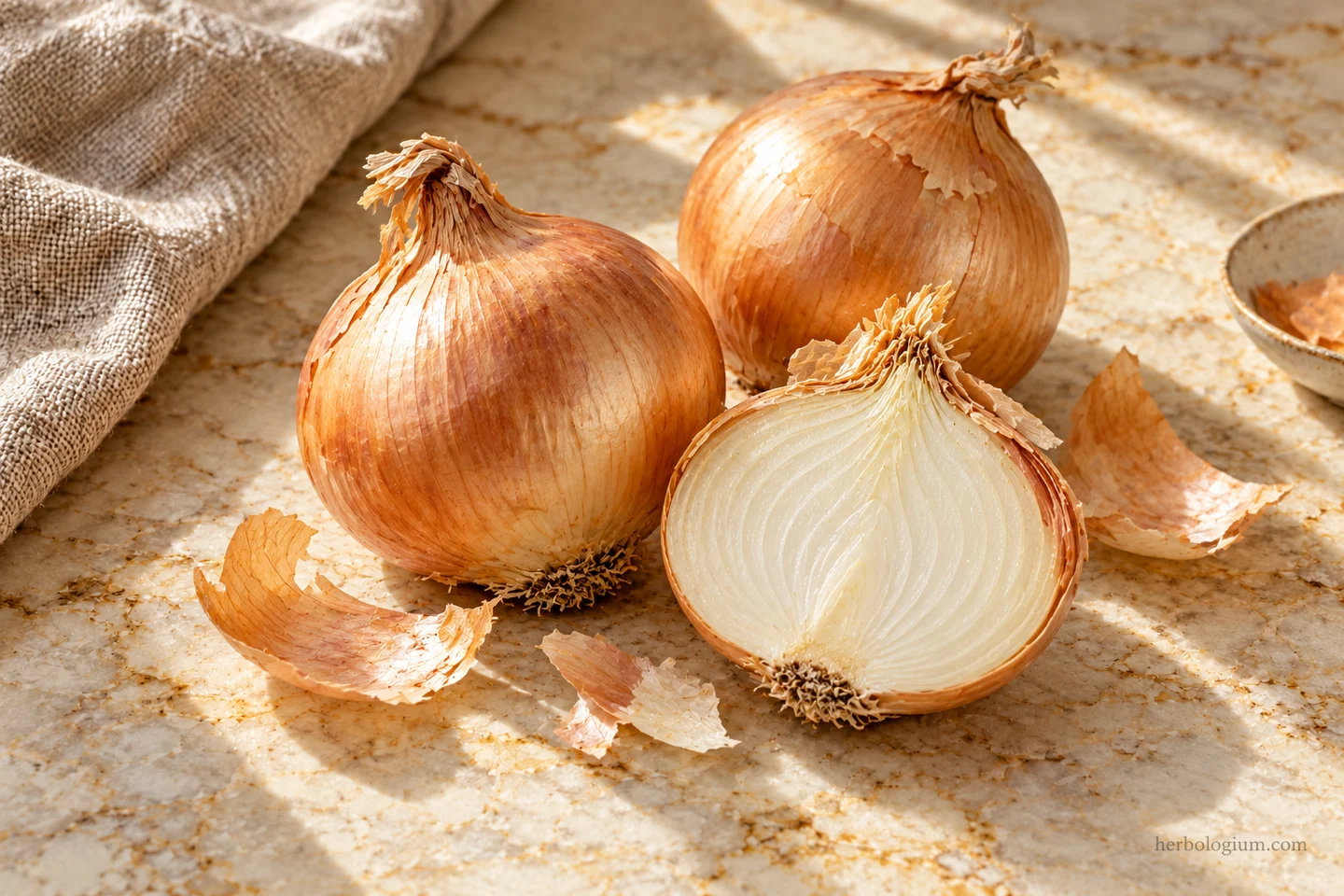
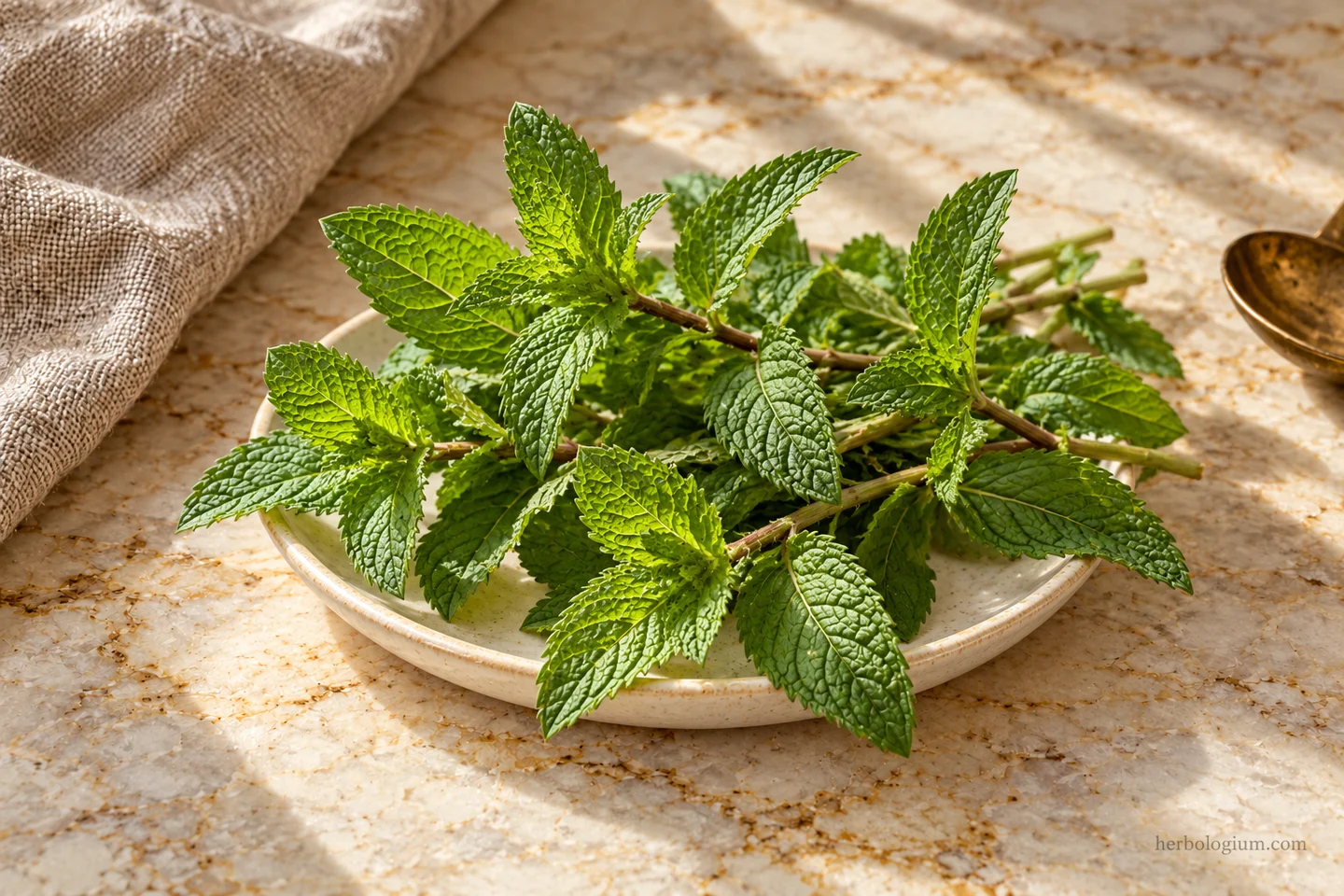
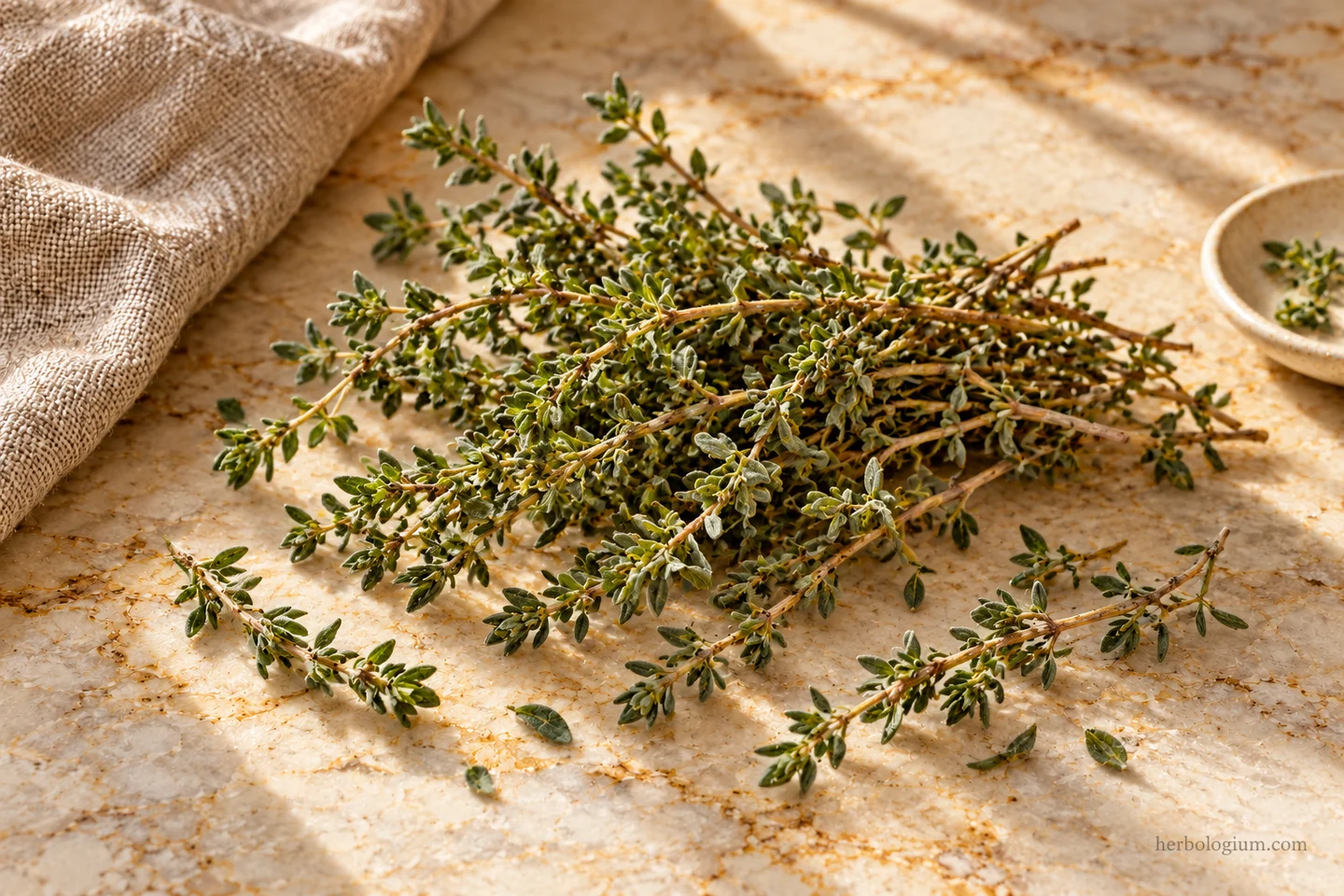
Ourrad’s recipe describes separating and steaming couscous grains. Parsley, mint, garlic, onion and thyme appear in its ingredient list. The recipe’s meat and broth remain part of its identity.
Sources: UNESCO (2020) ↗ ; Rabah Ourrad · World Tourism Organization (2021) ↗
Keep the context
Four countries share the nomination, with regional and household variation. Ourrad’s seven-cereal dish is one contemporary example; its blend is not botanically specified. The wheat and spearmint profiles are reference plants, not confirmed identifications of his grain blend or mint.
A question for your own kitchen
Compare the starting grain and preparation directions on a packet with a cook’s full recipe. Record the exact product when keeping your own version; similarly named ingredients need not behave alike.
KEEP THE FOOTNOTES
Sources & further reading
UNESCO · 2020
Consulted October 17, 2026. Text used for a concise attributed reading; no media reproduced.
Rabah Ourrad · World Tourism Organization · 2021
Consulted October 17, 2026, pages 12–13. Named chef’s contemporary recipe; the editorial reading does not reproduce its quantities or instructions.
Something to add or correct? Prepare a note for the collection.
Your notes on this card
What worked, what you changed, what you want to remember. Private to this browser.